
Living with a recond 2019 BMW 530i: is a used 5 Series a smart buy?
Almost three years with a Japan-recond G30 530i M Sport, Mission: Impossible edition. Trouble-free so far, and here's the simple reason why.
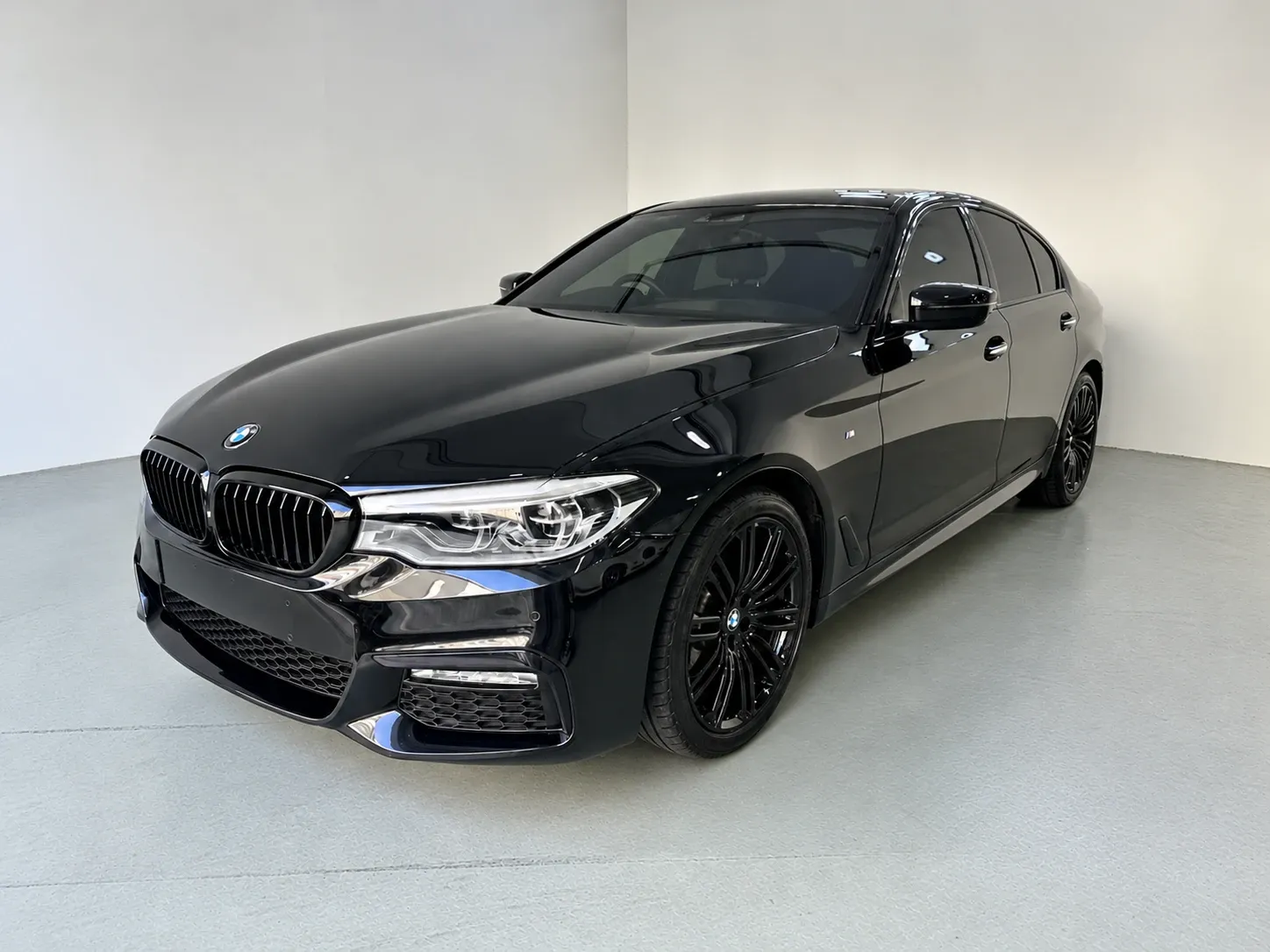
- Car
- 2019 BMW 530i M Sport, Mission: Impossible Edition (G30)
- Origin
- Japan recond
- Owned since
- Jan 2024
- Odometer
- 46,000 km
Let me get this out of the way first: yes, I bought a used BMW, and no, it hasn’t bankrupted me.
Every time someone hears “recond BMW” they start telling horror stories. Uncle’s friend’s cousin’s 5 Series that ate a gearbox. The warranty that didn’t cover anything. I get it. But after almost three years with my 2019 530i, now showing 46,000 km, my experience has been… boring. In the best possible way.
Why a 530i?
I came from an F30 3 Series, so I already knew what I was getting into with BMW ownership. I loved how the F30 drove, but I wanted something bigger and more comfortable for long drives, without giving up that BMW feel.
The G30 530i hits a sweet spot:
- The 2.0 turbo four-cylinder (B48) has plenty of punch for daily driving and highway cruising, without the running costs of a six-cylinder.
- The ZF 8-speed auto is smooth and quick. It’s one of the best automatic gearboxes around.
- It’s a proper executive car. Quiet, roomy at the back, huge boot, and it still feels planted at speed.
Why a Japan recond?
Two simple reasons: mileage and condition.
Japan-market cars often come in with lower mileage for their age than most local units, and in better shape. Short trips, good roads and strict inspections in Japan tend to be kind to cars. Mine was no exception.
Japanese-spec cars can also come with a good amount of kit. Mine has adaptive cruise control and lane-centring assist, which make long highway drives (hello, North-South Highway) much more relaxing.
The catch: you have to check the car properly. More on that below.
The Mission: Impossible edition
Mine is the Mission: Impossible collaboration edition, sold in Japan. It wasn’t a limited run, so don’t expect collector prices, but it has some nice touches:
- A special edition badge on the dashboard.
- Navy blue leather interior, which makes a nice change from the usual black or beige.
- M Sport styling with almost all of the trim in black Shadowline, instead of chrome. It looks a lot more serious, especially at night.
Almost three years in: what’s gone wrong?
Honestly? Nothing. No breakdowns, no surprise warning lights, no tow trucks.
So far it’s had two services, both just regular oil changes. That’s it.
I don’t think that’s luck. It’s down to one thing.
The secret: preventive maintenance
This is the biggest lesson from owning both the F30 and the 530i: German cars punish neglect, but reward care.
Most BMW horror stories come from cars that were run until something broke. By then, a small, cheap problem (a leaking gasket, old coolant, tired oil) has turned into a big, expensive one.
My approach is simple:
- Keep up with servicing. Don’t stretch the oil changes. Our heat and stop-start KL traffic are hard on oil, so fresh oil is cheap insurance.
- Fix small things early. A small oil seep today is a gasket. Ignored, it can become a damaged belt or sensor.
- Use a workshop that knows BMWs. A good independent specialist costs less than the dealer and often knows these cars just as well.
Should you buy one?
If you’re thinking about a used 5 Series, here’s my honest take:
Buy one if:
- You want executive comfort for the price of a new mid-size Japanese car.
- You’ll budget for proper servicing, and some extra for the occasional part.
- You can find one with a clear history.
Think twice if:
- You want the absolute lowest running costs. A Camry or Accord will be cheaper to keep.
- The car you’re looking at has no service records, or the seller can’t explain the mileage.
When looking at a Japan recond, check:
- The auction report: the grade and the mileage at auction should match what you see.
- Oil leaks around the top of the engine and the oil filter housing.
- That the gearbox shifts smoothly from cold, with no jerks.
- The radio and navigation. Japan-spec cars usually arrive still set up for Japan, so local FM stations and maps may not work (unless a previous Malaysian owner has already sorted it). It’s not a deal-breaker: plenty of specialists can convert them for a fee. Just factor that cost into your offer.
- That the driver-assist features (adaptive cruise, lane assist) actually work on a test drive. Not every car has them, so check the spec.
Grab our used car buying checklist before you go viewing.
Updates
I’ll keep adding to this diary as the kilometres go up: services, costs and anything that goes wrong (touch wood).
Running costs so far
The full cost log is coming soon.